Services We Provide

Network Management
Modern business operations include the strategic administration, oversight, and optimization of an organization’s computer networks as part of network management. Effective network administration has become crucial for preserving productivity and efficiency as the reliance on technology for seamless communication and data movement grows. This extensive IT function entails duties like network configuration, management, troubleshooting, and design. Businesses may avoid downtime and guarantee continuous communication between devices and systems by constantly monitoring network performance and spotting possible problems.
Additionally, network management supports better data flow, resource allocation, and cybersecurity threat protection. In an increasingly linked digital economy, businesses may streamline their IT processes, reduce interruptions, and create the conditions for scalable growth with a properly managed network.
Systems Management
In order to maintain the functionality and health of an organization’s information technology infrastructure, systems management is essential. This all-encompassing IT task include managing and maximizing a variety of elements, such as servers, hardware, software, and databases. System configuration, deployment, patch management, performance monitoring, and troubleshooting are all responsibilities of system administrators. Businesses may maintain smooth operations, reduce downtime, and boost overall productivity by managing systems effectively.
A proactive approach to systems management enables businesses to spot possible problems early on and fix them, reducing risks and providing a safe and secure technological environment. Businesses that have effective systems management in place may remain flexible, adapt to shifting technological needs, and confidently concentrate on their primary goals.
Application Management
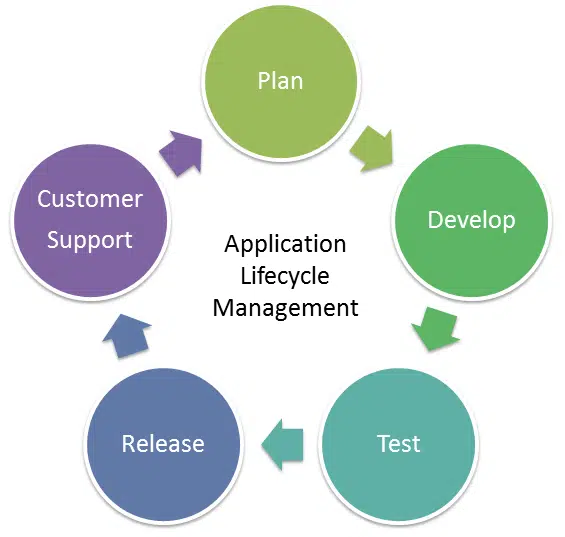
Application administration is a crucial IT task focused on the efficient supervision and upkeep of an organization’s software applications. Application managers guarantee that applications function properly and satisfy user needs at every stage, including deployment, upgrades, and performance monitoring. They are in charge of maximizing application performance, guaranteeing seamless system integration, and resolving any problems that may occur.
Businesses can boost productivity, optimize workflows, and provide a smooth user experience with expert application management. Additionally, application managers execute regular upgrades and security procedures to protect against vulnerabilities and potential threats. Organizations may make informed decisions about their software investments and continue to offer cutting-edge solutions to satisfy the changing needs of their consumers by keeping an eye on application performance and user input.
Security Management
Protecting sensitive data, digital assets, and technology infrastructure inside a company from attacks and vulnerabilities requires careful security management. Implementing security rules, methods, and technologies is part of this complete IT function’s defense against unauthorized access, data breaches, and cyberattacks. Network security, endpoint security, data encryption, and ongoing monitoring to spot and address suspicious activity are all responsibilities of security managers. In today’s digital environment, where cyber attacks are getting more complex, a strong security management approach is crucial. Businesses may preserve consumer trust and regulatory compliance by proactively managing security, ensuring the confidentiality, integrity, and availability of their vital information.
With effective security management in place, organizations can focus on their core objectives without compromising on data protection, ultimately fostering a secure and resilient environment for their operations.